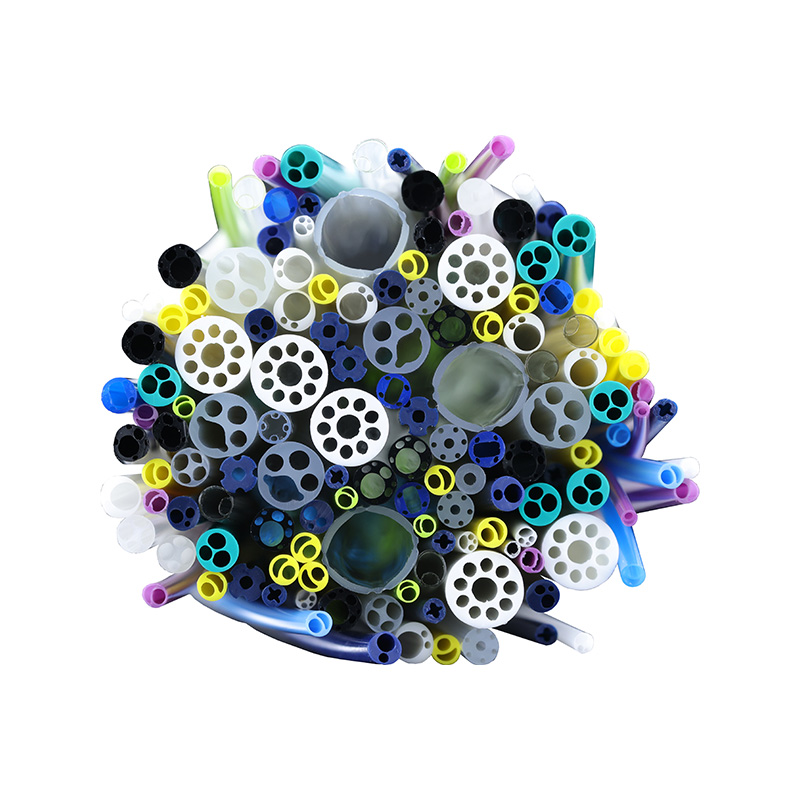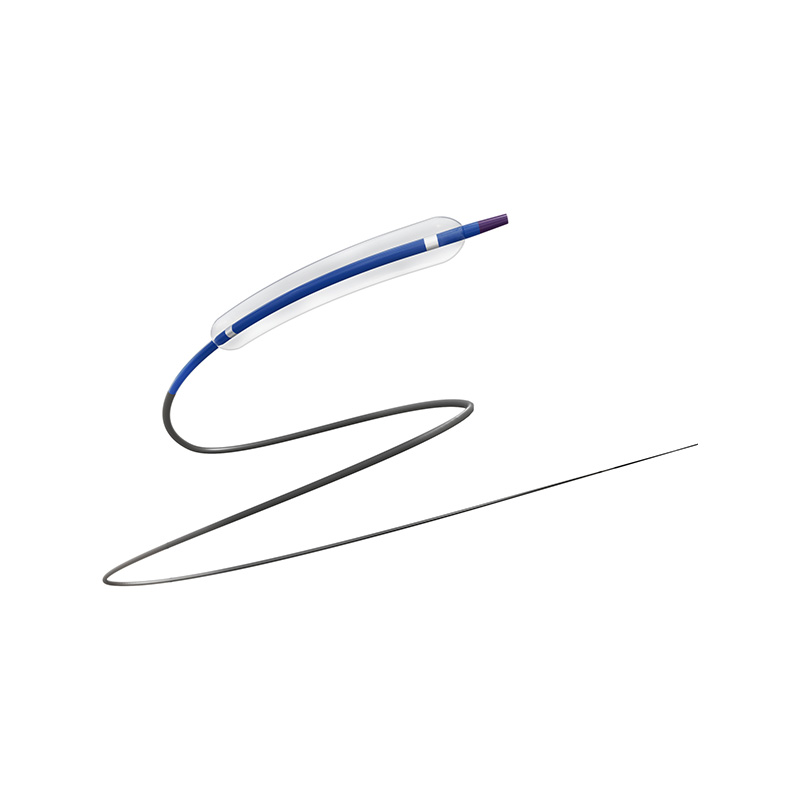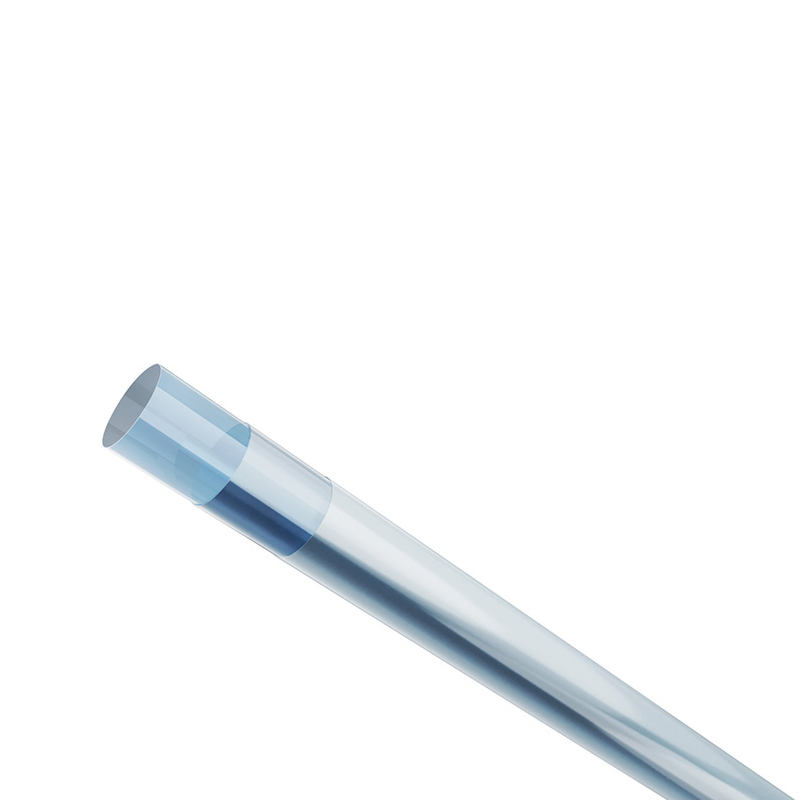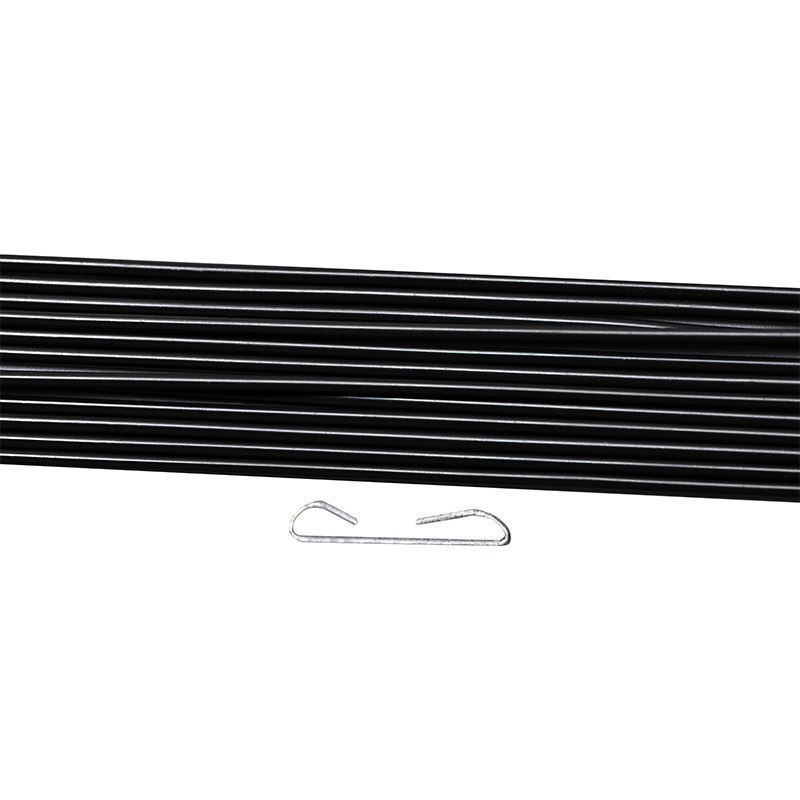


Catheter design is a trade-off game. Pushability, torque control, kink resistance, lubricity, trackability and X-ray visibility all compete for the same wall thickness and lumen space. The fastest way to an effective design is not to chase a single performance number, but to fix the clinical task and anatomical pathway first, then choose the layer stack, materials and reinforcement that serve that task. That is why experienced device teams treat catheter design as a systems exercise rather than a tubing selection.
Take two examples. A coronary guiding catheter needs strong torque transmission and a soft, atraumatic tip. A neurovascular micro catheter, by contrast, needs extreme flexibility and low profile, even when that sacrifices some pushability. The same raw materials can be arranged in entirely different ways to satisfy these opposing priorities.
Key Performance Targets in Catheter Design
Design inputs come from the intended anatomy, the device's working length, the delivery technique, and the stiffness profile required to reach the target. These inputs, not the catalogue of available materials, should drive the specification. The table below maps common clinical areas to the primary design concerns and typical material choices.
| Clinical Focus | Primary Performance Requirements | Typical Material/Structure Choice |
|---|---|---|
| Coronary / Peripheral Access | Torque transmission, kink resistance, guidewire compatibility, low profile | Reinforced tubing with PTFE liner and Pebax outer |
| Neurovascular Micro-Catheter | Flexibility, trackability, soft tip, low friction | Polyimide or Pebax shaft with coil reinforcement and lubricious coating |
| Balloon Dilatation | Burst pressure, compliance, tip bond strength | Multi-layer balloon tubing in PET or Pebax |
| Diagnostic Angiography | Radiopacity, flow rate, smooth lumen | FEP or PTFE liner with braid reinforcement and radiopaque fillers |
Layer-by-Layer Architecture: The Backbone of Performance
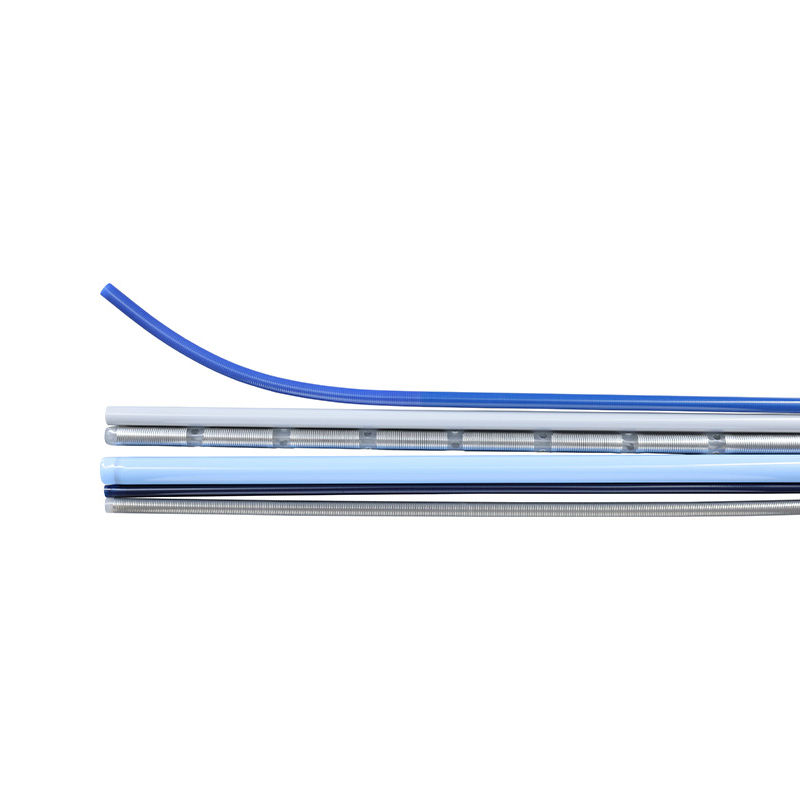
Modern interventional catheters are built on a three-layer principle. The inner liner establishes a smooth, low-friction lumen for guidewires and fluids. The central reinforcement controls torque, crush resistance and kink resistance. The outer jacket determines flexibility, surface lubricity and biocompatibility. Getting the sequence right is more important than choosing the most expensive polymer.
Reinforcement choice is often the turning point in a catheter design. Braided structures deliver excellent torque transfer, while coil structures deliver flexibility in tortuous anatomy. Many hybrid designs combine both to tune the shaft to the target vessel.
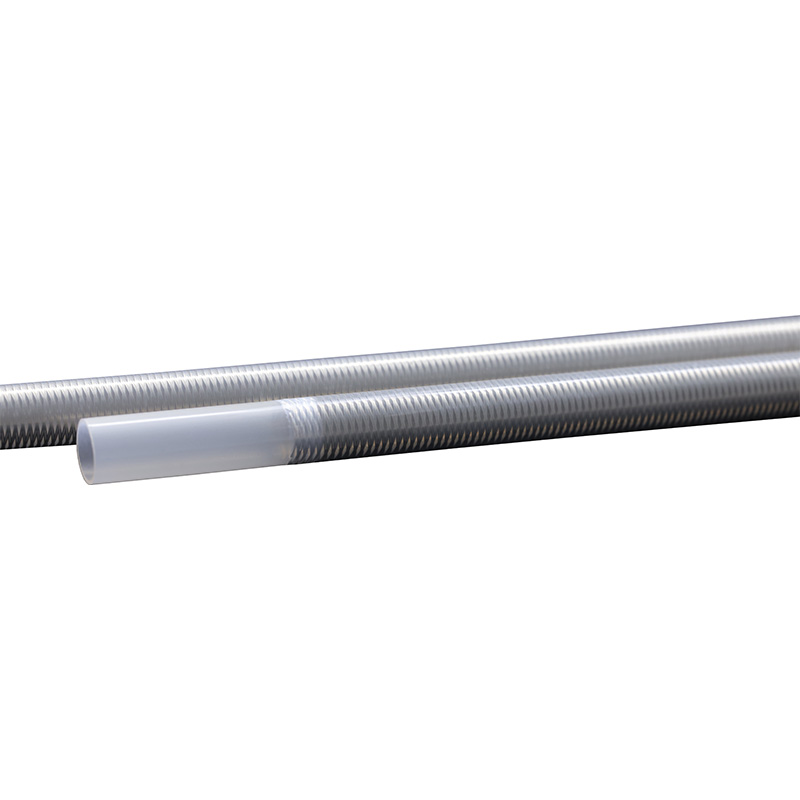
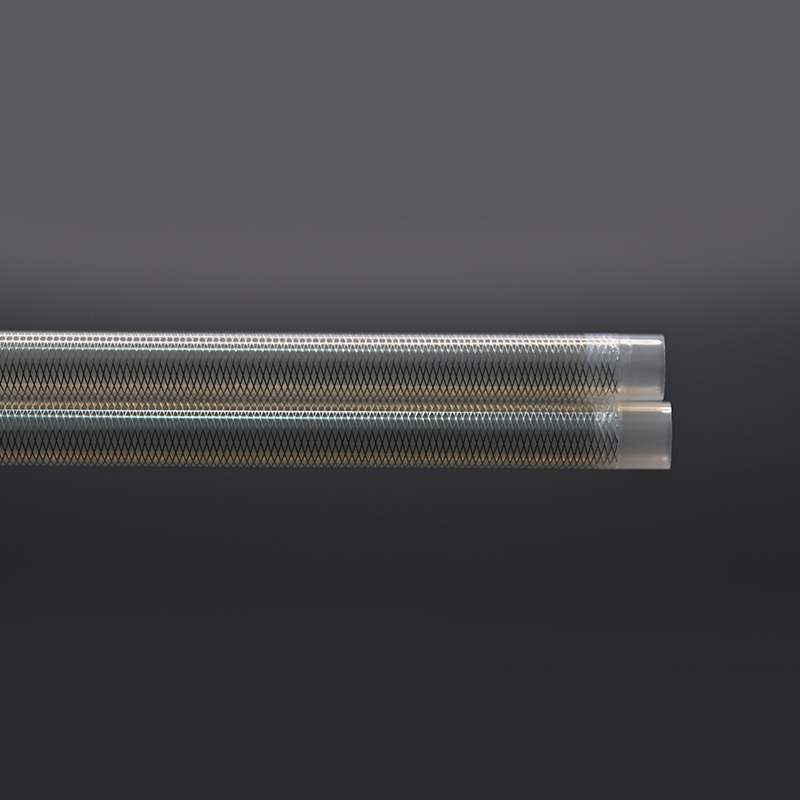 Braid Reinforced Tubing for Enhanced Torque and Burst Resistance This tubing embeds metal or fiber braids between layers, boosting burst pressure, column strength, and torque transmission. Ideal for catheters needing precise torsional control, such as micro catheters and steerable sheaths. View Product →
 Material Selection: The Trade-Offs That Matter
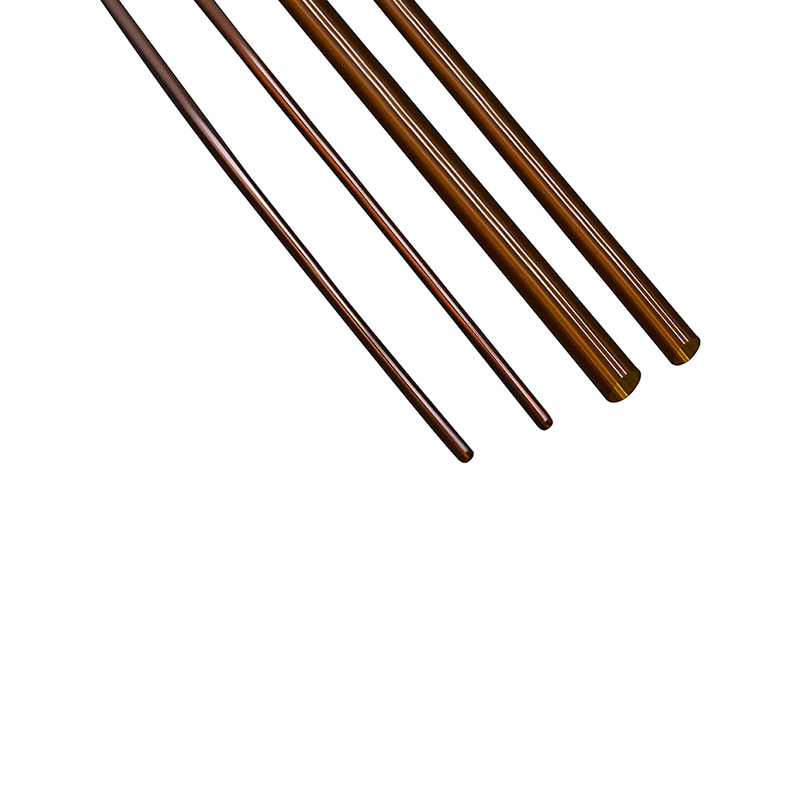
There is no single best catheter material. PTFE delivers unmatched lubricity and chemical resistance, but it is difficult to bond and offers limited kink resistance. PEEK has excellent stiffness and biocompatibility and can be thin-walled, but it is less lubricious. Polyimide excels in high-strength, ultra-thin-wall applications. Pebax is soft and flexible and easy to process, while TPU offers resilience and a broad durometer range.
Polyimide is often used in micro catheters because of its thin wall and high strength. The radar chart above is a qualitative reference for two common materials; use it as a starting point for a structured comparison, not as a substitute for bench testing.
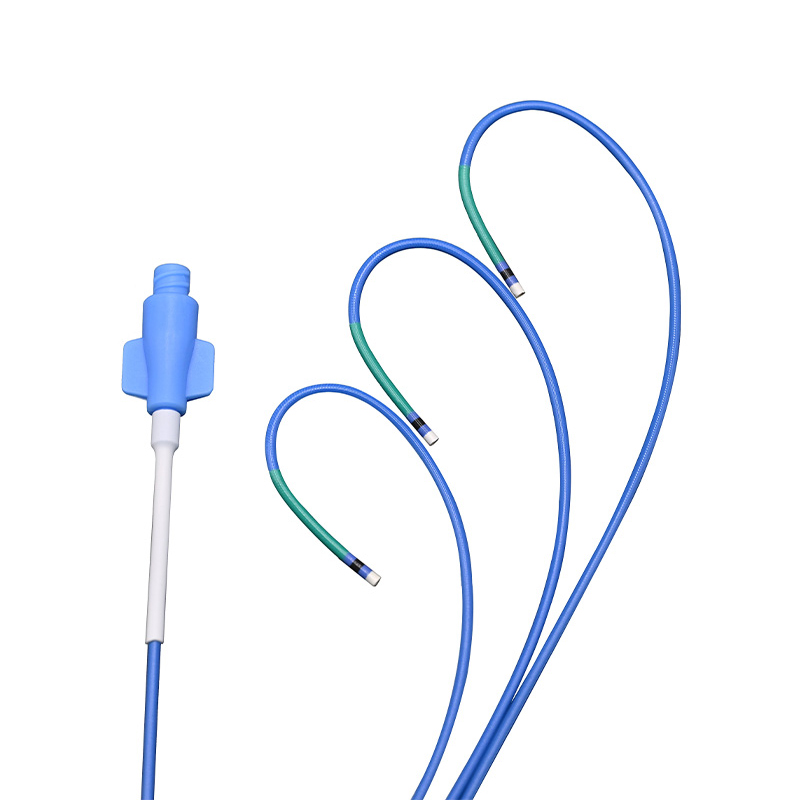
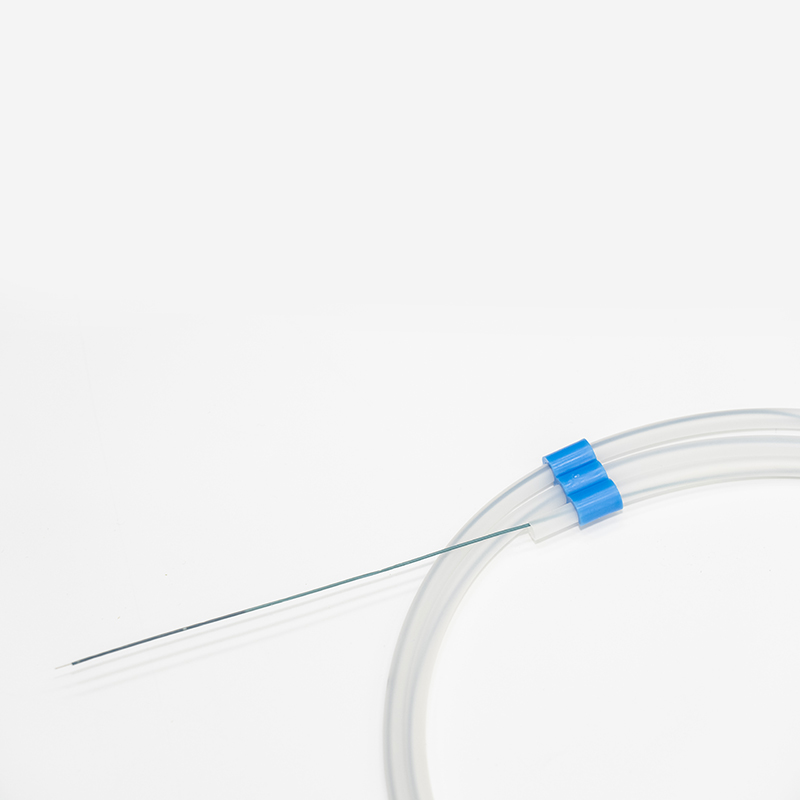 Micro Catheter for Minimally Invasive Navigation in Small Vessels With an outer diameter under 1 mm, this catheter offers flexibility and biocompatibility for precise access to tiny vessels. Customizable stiffness and diameter changes enable safe passage in tortuous anatomy. View Product →
 Manufacturing Tolerance and Secondary Processes
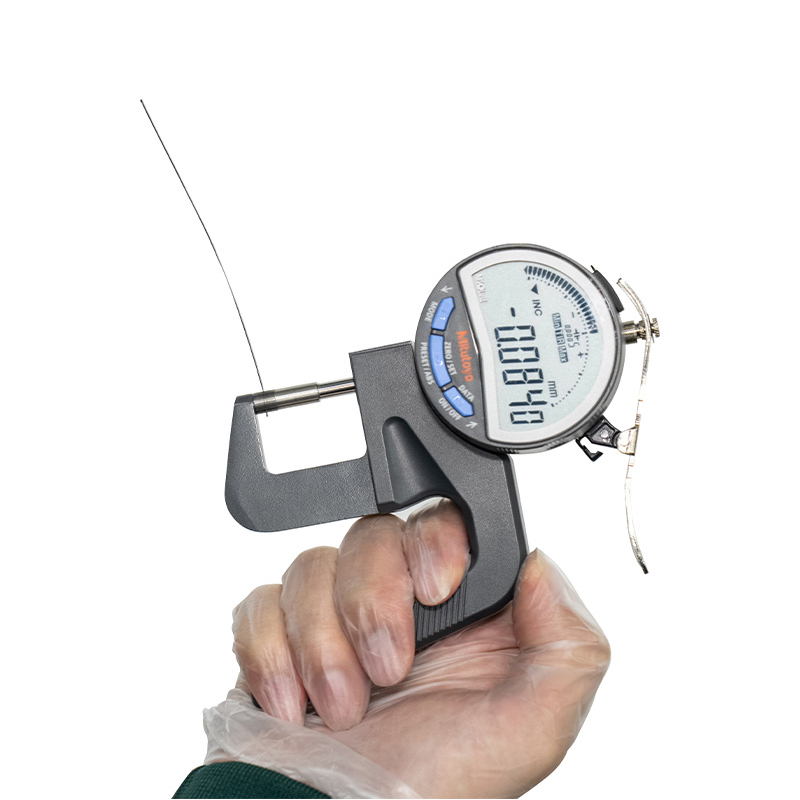
Design intent is only as good as the manufacturing capability that can hold it. A catheter shaft that is 0.02 mm oversized can cause guidewire friction, while a 0.02 mm undersized reinforcement layer can affect torque transfer. Tolerance management depends on the extrusion process, material consistency and tooling. Multi-layer co-extrusion is used to achieve precise wall control around the entire cross-section, especially where different materials must bond without weak points. This technique is one reason multilayer co-extrusion technology has become a focus in the medical consumables industry.
Secondary processes add functionality: flaring for tip shaping, welding for balloons, coating for lubricity, and heat shrinking for joint protection. When these steps are performed in the same cleanroom as extrusion, the risk of contamination and dimensional drift is reduced, and the final catheter behaves closer to its design model.
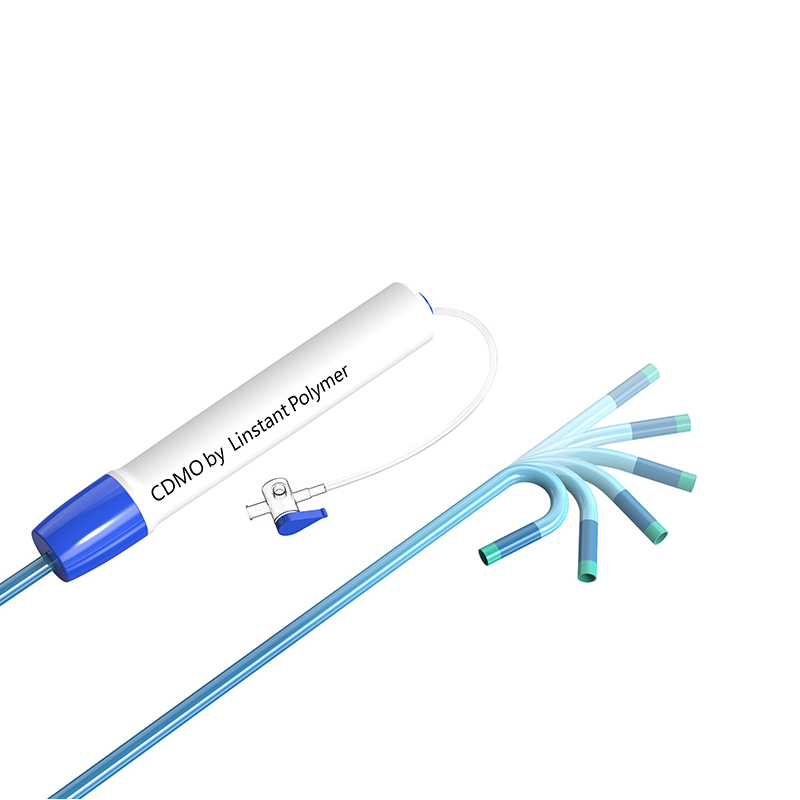
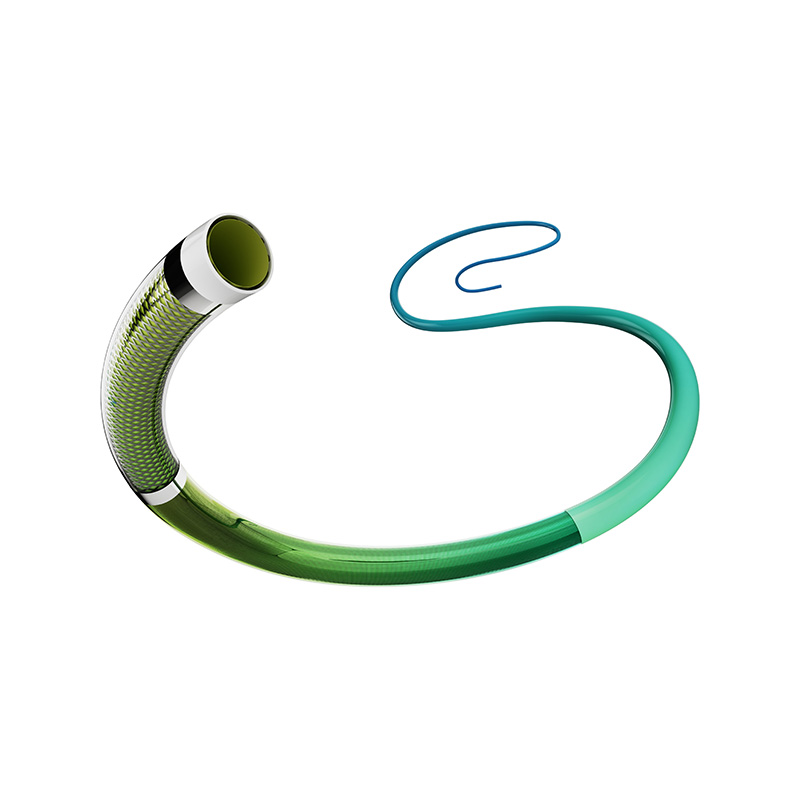
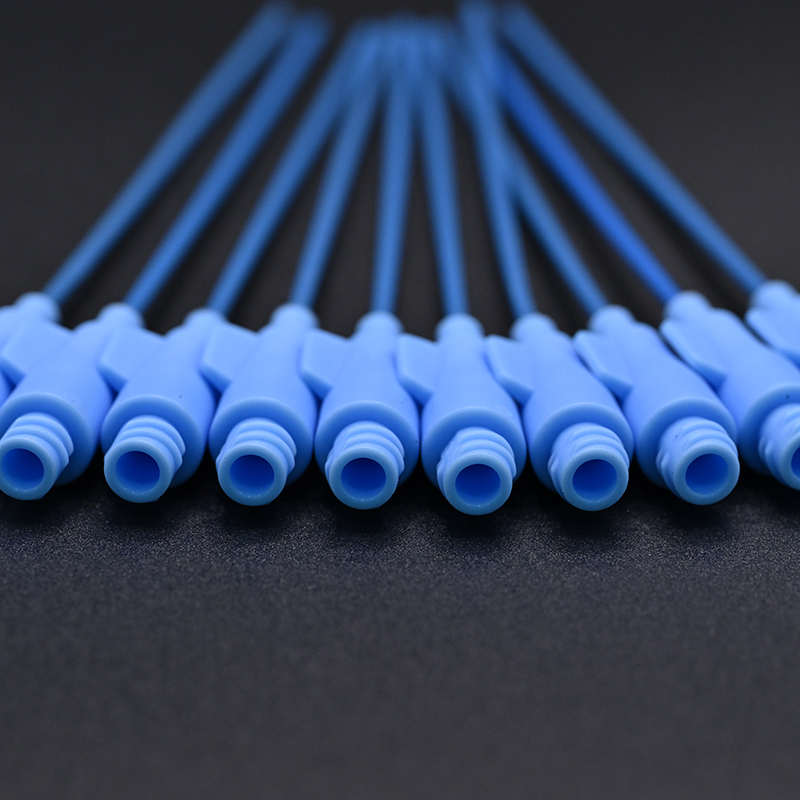 Guiding Catheter with Multi-Stage Design and Low-Friction Liner Featuring a braided structure for high torque and stability, plus a soft tip to reduce vessel damage. The ultra-thin wall with large inner cavity and PTFE liner ensures smooth delivery of instruments. View Product →
 Partnering with a Catheter Component Manufacturer
Ningbo LINSTANT Polymer Materials Co., Ltd. was established in 2014 and has since grown into a national-level high-tech enterprise with over 500 professional staff members. The company is committed to transcending the role of a traditional component supplier, becoming an integral part of its customers' products. From precise matching during the collaborative design phase to reliability assurance during manufacturing, LINSTANT deeply integrates into the core value chain of its customers' products, transforming catheter technology into a core competitive advantage for their products.
Through continuous technological innovation and stringent quality control, we are capable of providing medical device companies with safer, more precise, and more technologically advanced customised catheter system solutions.
- 20,000 m² GMP-compliant cleanroom for extrusion, coating and secondary processing
- 15 imported extrusion lines for multi-layer and multi-lumen tubing, plus 8 dedicated PEEK extrusion lines
- Near 100 braiding, spring-coiling and coating machines, and 40 welding and forming stations
- ISO 13485:2016 certified quality management system
For teams that need a manufacturing partner to translate a catheter concept into a reproducible device, OEM/ODM collaboration is the natural next step. LINSTANT can support design-for-manufacture reviews, material selection and process validation before volume production.
Frequently Asked Questions About Catheter Design
What is catheter design?
Catheter design is the process of balancing lumen size, wall thickness, flexibility, torque transmission and tip performance for a specific clinical application. It typically involves selecting the right liner, reinforcement and outer jacket materials.
What materials are used for medical catheters?
Common medical catheter materials include PTFE, FEP, PEEK, polyimide, Pebax, TPU and polycarbonate. Each offers a different combination of lubricity, stiffness, radiopacity and processing behavior.
What is the difference between braided and coil-reinforced catheters?
Braiding improves torque response and kink resistance, while coiling provides better flexibility and crush resistance. Braiding suits high-torque devices; coiling suits highly flexible shafts.
What is a common tolerance for medical catheter tubing?
Typical OD and ID tolerances for medical tubing are in the range of ±0.02 mm to ±0.05 mm, depending on material, wall thickness and dimensions. Tight tolerances are critical for guidewire compatibility and burst pressure.
What is the difference between a guiding catheter and a micro catheter?
A guiding catheter provides a stable, high-torque channel to deliver devices. A micro catheter is designed for deep distal access in tortuous anatomy, with a smaller profile and higher flexibility.
Does LINSTANT offer custom catheter design and manufacturing?
Yes. LINSTANT provides OEM/ODM services for medical device companies, covering extruded tubing, reinforced tubing, balloon tubing, heat-shrink products and secondary operations such as coating and welding.